
• Products
    • Options Screener
    • Copy Trading
    • Roll Assistant
    • QW Intelligence
    • Options Journal
    • GEX Dashboard
    • Gamma FlowsSoon
    • AI Research AgentsSoon
    • All Products
  • Free Course
  • Resources
    • How-to guides
    • Compare
    • Release notes
    • Roadmap
  • Tools
    • Wheel Strategy Calculator
    • GEX Calculator
    • GEX Heatmap
    • Max Pain
    • Earnings Scanner
    • Optimal Roll
    • Options Calculator
    • Cash-Secured Put Calculator
    • Cost Basis Calculator
    • Strategy Explorer
  • Login
  • Sign up
GitHub
QuantWheelQuantWheel
Options
Options Screener

Real-time scanner for sellers & buyers

Copy Trading

Follow alerts from top traders

Roll Assistant

Optimal roll to avoid assignment

Intelligence
QW Intelligence

AI that understands your portfolio

Options Journal

Auto-sync P&L, chains & calendar

GEX
GEX Dashboard

Gamma, Vanna, Charm analysis

Gamma FlowsSoon

Real-time flow alerts

More
AI Research AgentsSoon

Portfolio monitoring & idea generation

All Products

Every QuantWheel tool in one place

Free Course
How-to guides

Step-by-step walk-throughs

Compare

QuantWheel vs other tools

Release notes

Latest features & improvements

Roadmap

What we’re building next

Wheel Strategy Calculator

Full wheel premium & break-even

GEX Calculator

Free gamma exposure calculator

GEX Heatmap

Strike-level gamma heatmap

Max Pain

Options max pain by expiration

Earnings Scanner

Mispriced earnings expected move

Optimal Roll

Free roll opportunity finder

Options Calculator

P&L, Greeks & probability

Cash-Secured Put Calculator

Premium, break-even & cash required

Cost Basis Calculator

Real cost basis after assignment

Strategy Explorer

Visualize multi-leg strategies

Beginner
  • What Are Options
  • How Options Work
    • Options - step by step
    • How do I buy and sell options?
    • How do I choose the right strike price?
    • Calls vs puts?
    • Buy or sell?
    • What determines options premium?
    • What happens at options expiration?
    • How do you read an options chain?
    • How do I choose the right expiration date?
  • Options Pricing
  • About Assignment
Intermediate
  • Covered Calls
  • Cash Secured Puts
  • The Wheel
Advanced
  • Greeks
  • Rolling Options
  • Risk Management
Resources
  • Trading Psychology
  • Helpful Tools
  1. Learn
  2. How Options Work

How Options Work

Explore the fundamentals of how options work, including calls vs puts and the difference between buying and selling options contracts.
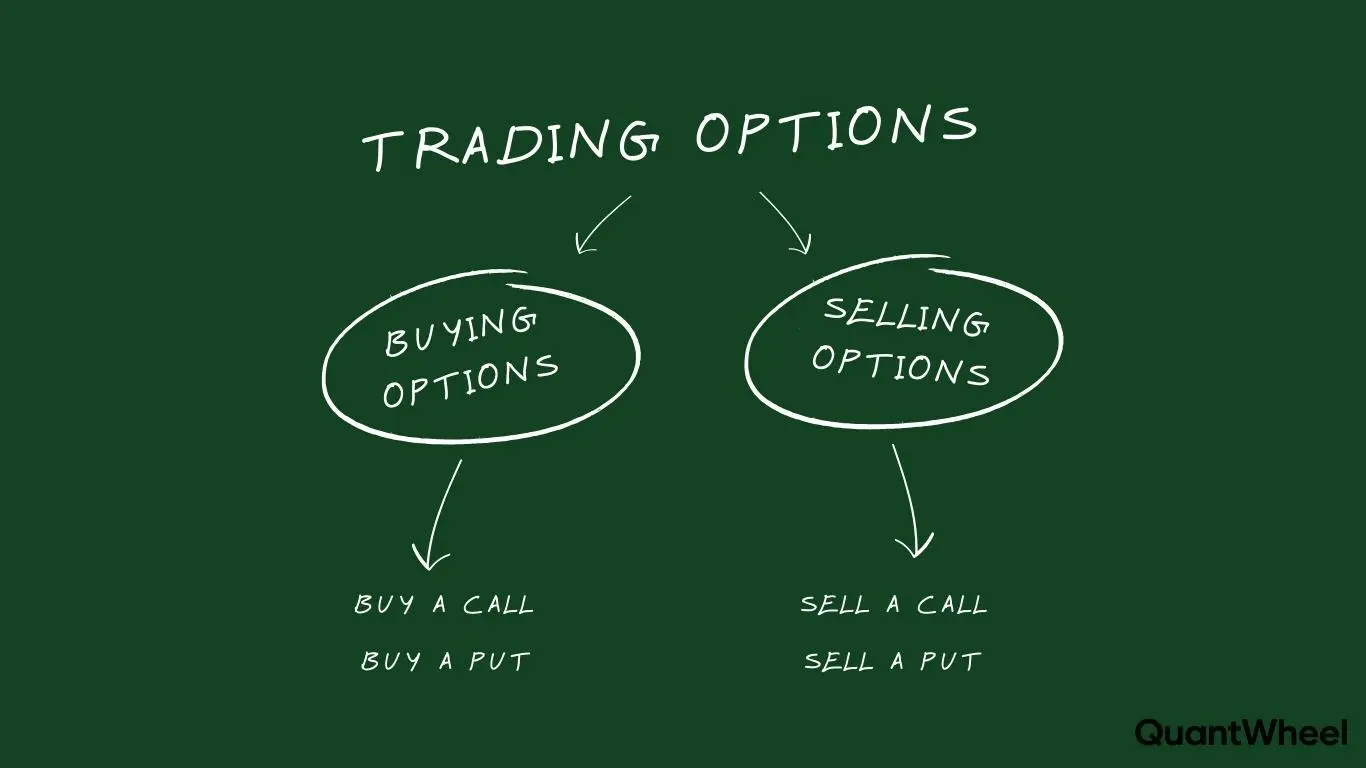
  1. This comprehensive infographic illustrates the diverse choices and alternatives available in options trading, comparing the singular paths of traditional stock ownership with the flexible strategies of options. The visual defines options contracts as a financial security that grants the buyer the right—but not the obligation—to buy or sell shares at a predetermined strike price before the expiration date. It highlights how smart investors can utilize call options to capitalize on rising prices or put options to profit from market volatility, turning potential risks into distinct opportunities. By paying a specific premium, the option holder creates possibilities to control a large number of assets with less money, strictly limiting losses to the initial cost. The chart further details advanced methods like selling contracts to generate steady income, demonstrating why trading options is a powerful solution for portfolio insurance and maximizing profit potential beyond simple stock price appreciation.How Do Options Work? Complete Step-by-Step GuideLast updated: February 17, 2026
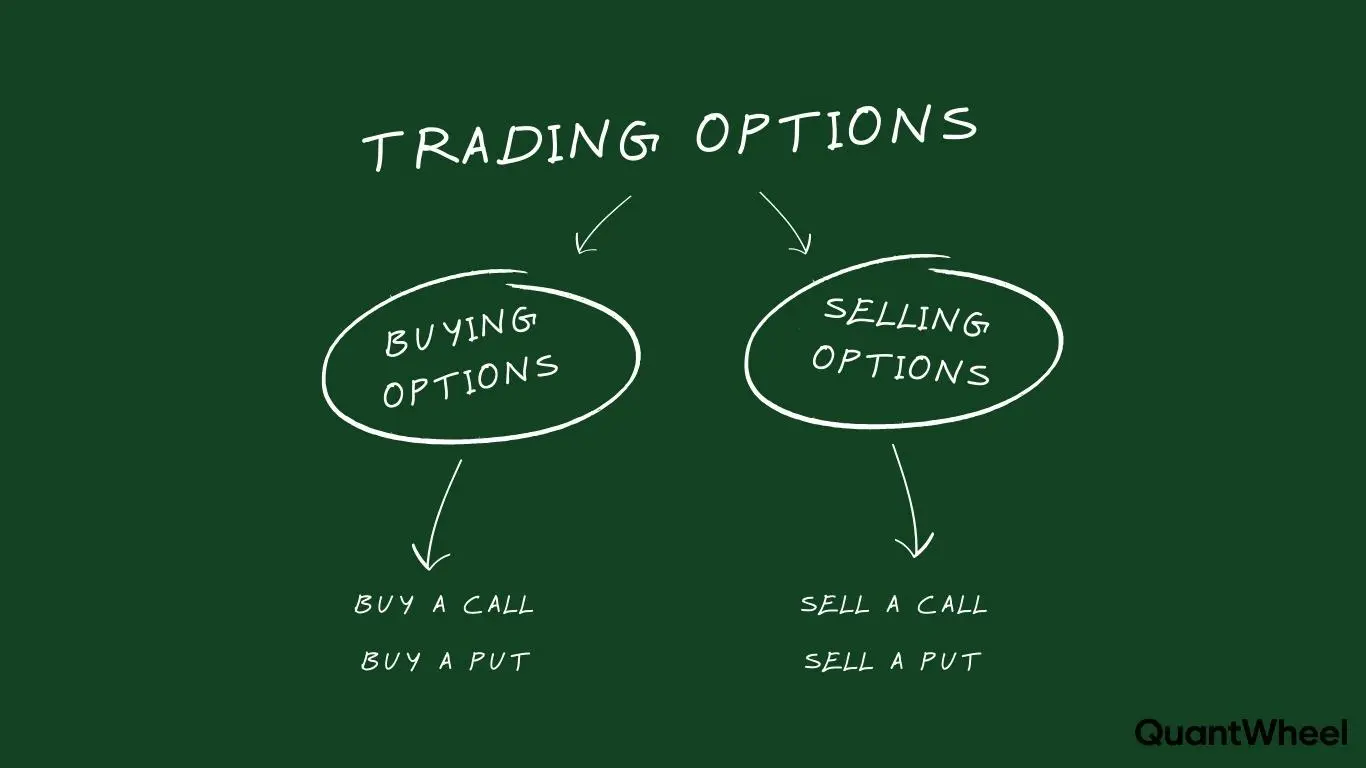
  2. This comprehensive diagram illustrates buying vs selling options, helping traders understand buying versus selling options strategies. When buying options, you pay an option premium for the right to buy or sell at the strike price. Selling options means collecting option premium while taking obligation if assigned. The difference between buying and selling options lies in risk: buying options offers limited risk with unlimited profit potential, while selling options provides limited profit with higher risk. Whether you choose buying options or selling options, understanding call options and put options is essential. This guide shows how options buyers pay for rights, while options sellers collect premiums for obligations, making the buying vs selling options decision clearer.How to Buy and Sell Options: Complete Step-by-Step Trading GuideLast updated: February 17, 2026
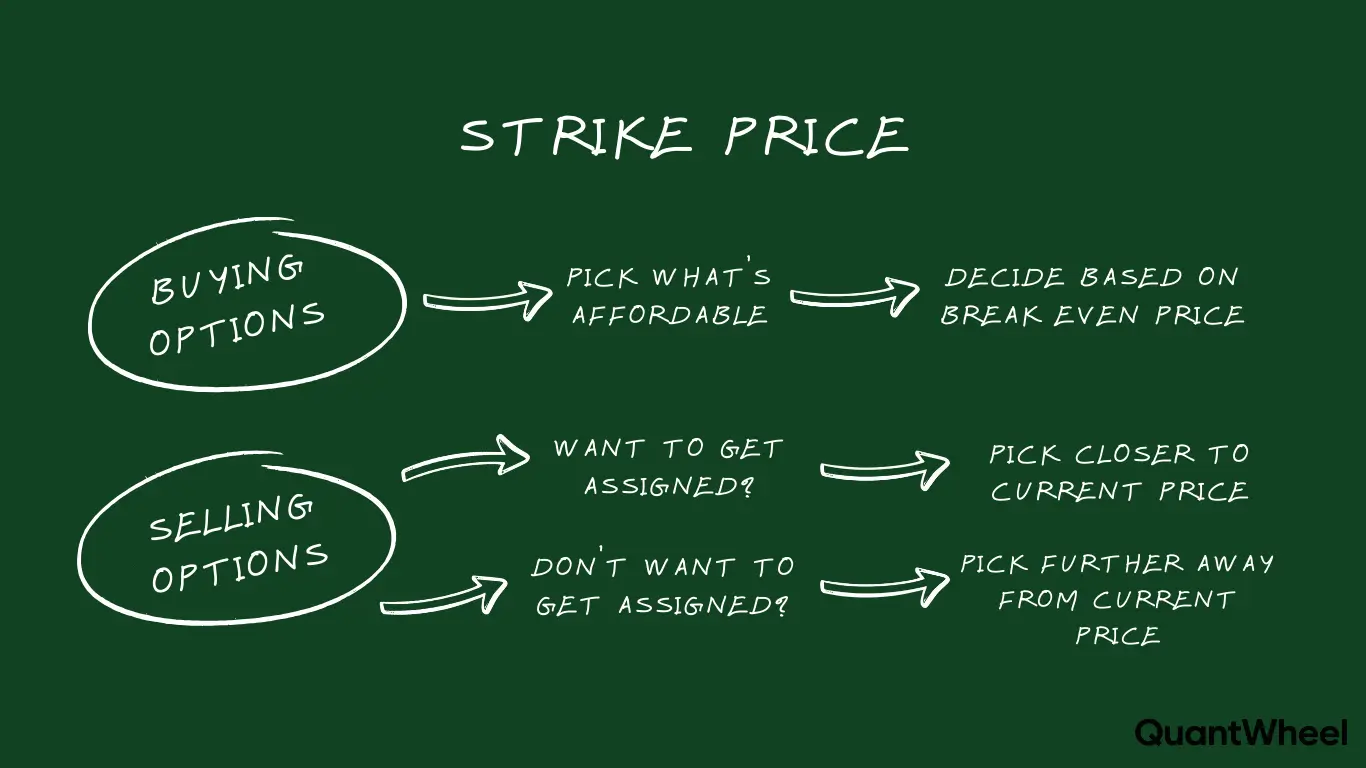
  3. This comprehensive options chain visual guide demonstrates the step-by-step framework for selecting the optimal strike price when trading options, whether you are buying calls, buying puts, or selling covered calls. The image illustrates how to analyze an options chain table showing various strike price levels alongside their corresponding expiration date columns, helping traders identify in-the-money, at-the-money, and out-of-the-money contracts. Understanding how to pick the right strike price involves evaluating the expiration date to balance time decay and premium costs effectively. The framework shows traders how to assess delta and gamma values within the options chain to determine probability of profit, while considering whether the expiration date provides adequate time for the underlying stock to move favorably. This option trading methodology covers buying strategies where selecting an expiration date with an appropriate strike price near current market levels reduces risk, and selling strategies where choosing strike price levels with favorable expiration date timeframes maximizes premium collection. By mastering the options chain interface and aligning your strike price selection with your chosen expiration date, traders can construct profitable option strategy positions with defined risk-reward parameters using the options chain data.How to Choose the Right Strike Price for Wheel StrategyLast updated: February 17, 2026
  4. This comprehensive diagram illustrates buying vs selling options, helping traders understand buying versus selling options strategies. When buying options, you pay an option premium for the right to buy or sell at the strike price. Selling options means collecting option premium while taking obligation if assigned. The difference between buying and selling options lies in risk: buying options offers limited risk with unlimited profit potential, while selling options provides limited profit with higher risk. Whether you choose buying options or selling options, understanding call options and put options is essential. This guide shows how options buyers pay for rights, while options sellers collect premiums for obligations, making the buying vs selling options decision clearer.Calls vs Puts: Understanding the Difference [2026 Guide]Last updated: February 17, 2026
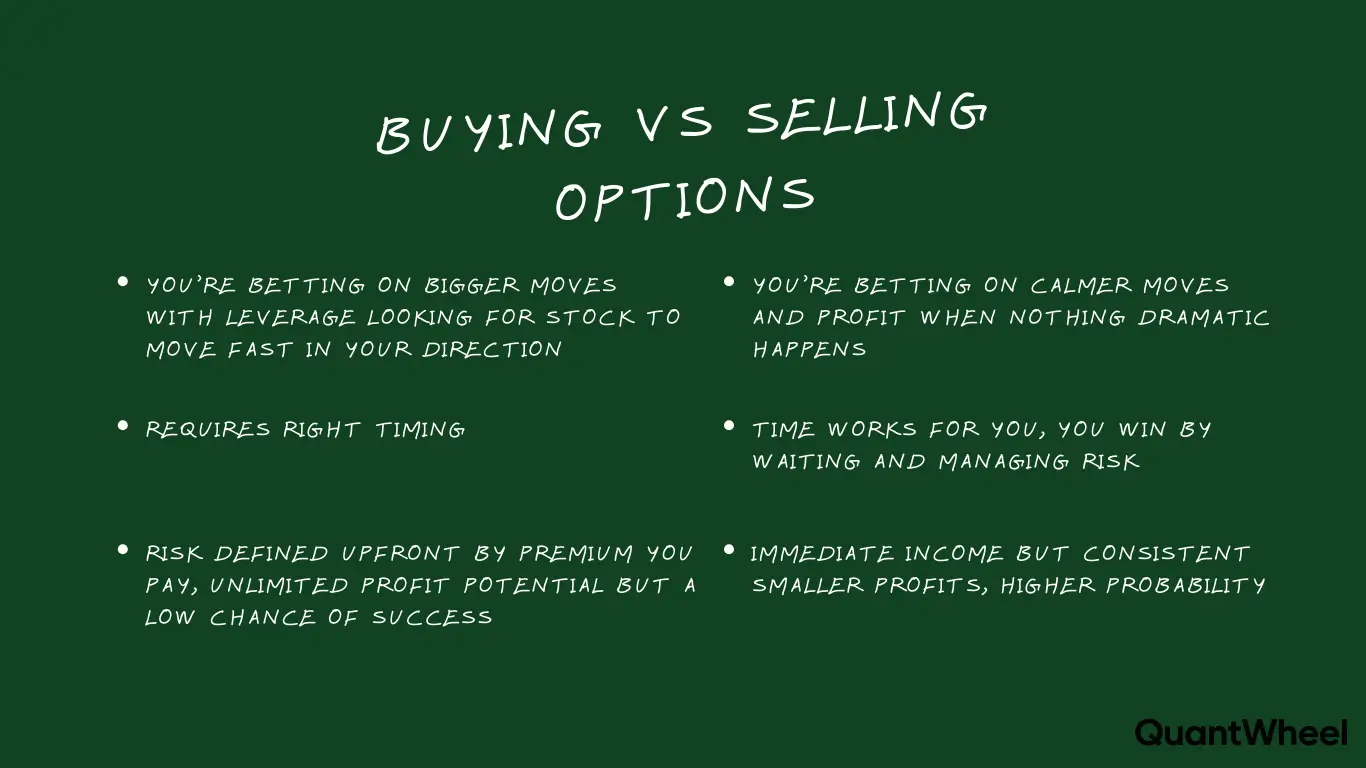
  5. this image breaks down the exercise and assignment difference in options trading like a pro chart, highlighting option exercise vs assignment for buyers and sellers. On one side, you've got the long option holder choosing to exercise their right, like buying stock at the strike for a call or selling for a put in option exercise explained; opposite that, the short side faces options assignment, where they're randomly picked via the options assignment OCC process to deliver or buy shares, covering what is option assignment and options assignment meaning. It zooms into key risks like early assignment risk and early exercise options, showing long option exercise vs short option assignment—longs control option exercise, shorts deal with option assignment risk during options assignment at expiration or early assignment before expiration. Perfect visual for difference between option exercise and assignment, what happens when an option is assigned, and queries like what happens if I get assigned on a call option or put option, plus how to avoid option assignment and if options assignment is random.Buying vs Selling Options: Which Strategy Works Better in 2026?Last updated: February 17, 2026
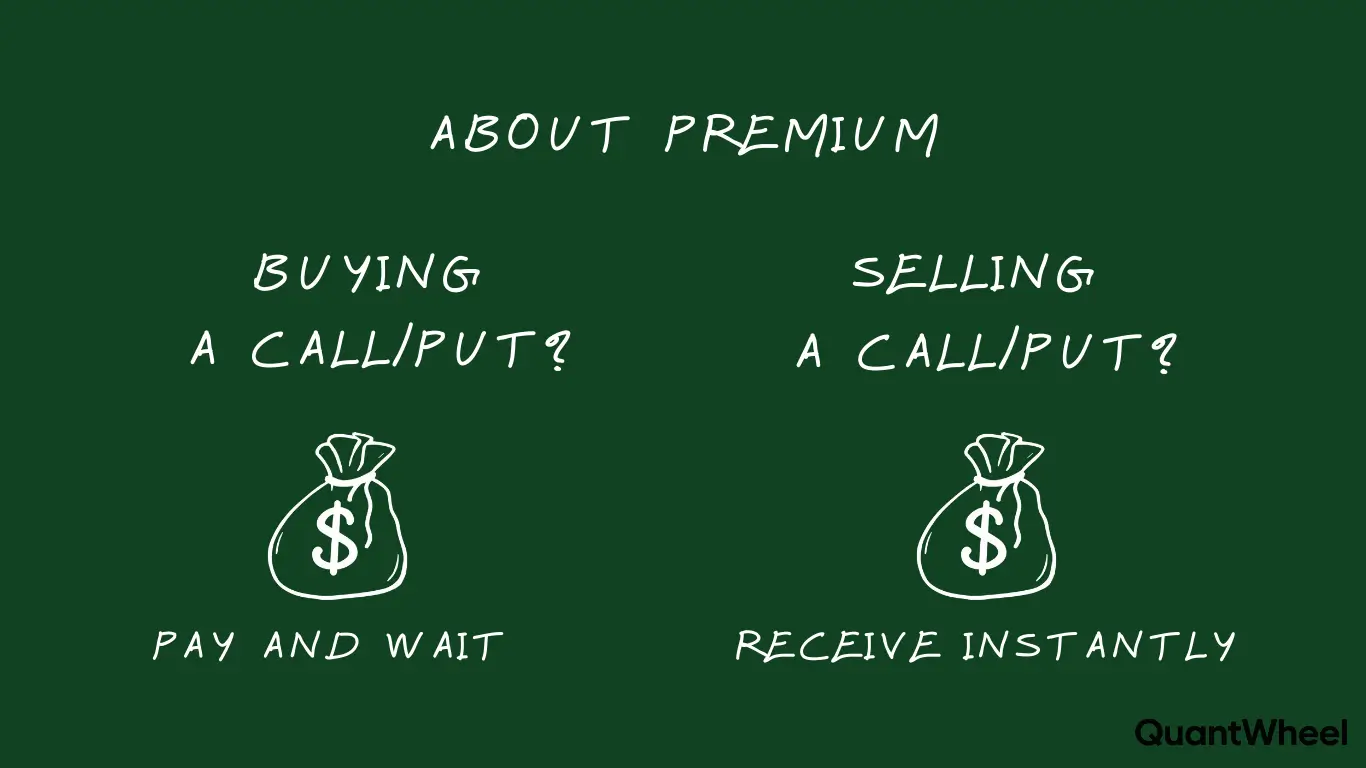
  6. This visual diagram illustrates how do options work and why trade options by showing premium mechanics that operate differently for buyers and sellers in options trading. The image explains why trade options on stock and how they work when investors make an investment to purchase a call option or put, where the buyer pays premium to acquire rights without obligations to buy or sell the underlying stock asset at the predetermined strike price. Conversely, when exploring "why trade options" - from the seller's perspective in trading, the option writer receives premium as immediate income but assumes obligations to fulfill contracts if assigned. The graphic demonstrates how do options work through risk and reward profiles, showing buyers face limited loss capped at premium paid, while sellers encounter potentially unlimited loss depending on market price movements and expiration dates. Truly understanding how do options work through premium mechanics helps traders grasp call and put contracts deriving value from volatility, time to expiration, and relationships between strike price and stock price. This educational resource on how do options work provides clarity on strategy approaches where traders use leverage to generate profit, hedge their portfolio, or manage risk through exercise decisions involving call options, put options, and options trading techniques for investment success and reward optimization before the holder must exercise rights at strike before expiration.Options Premium: Complete Guide to Understanding Option PricesLast updated: February 17, 2026
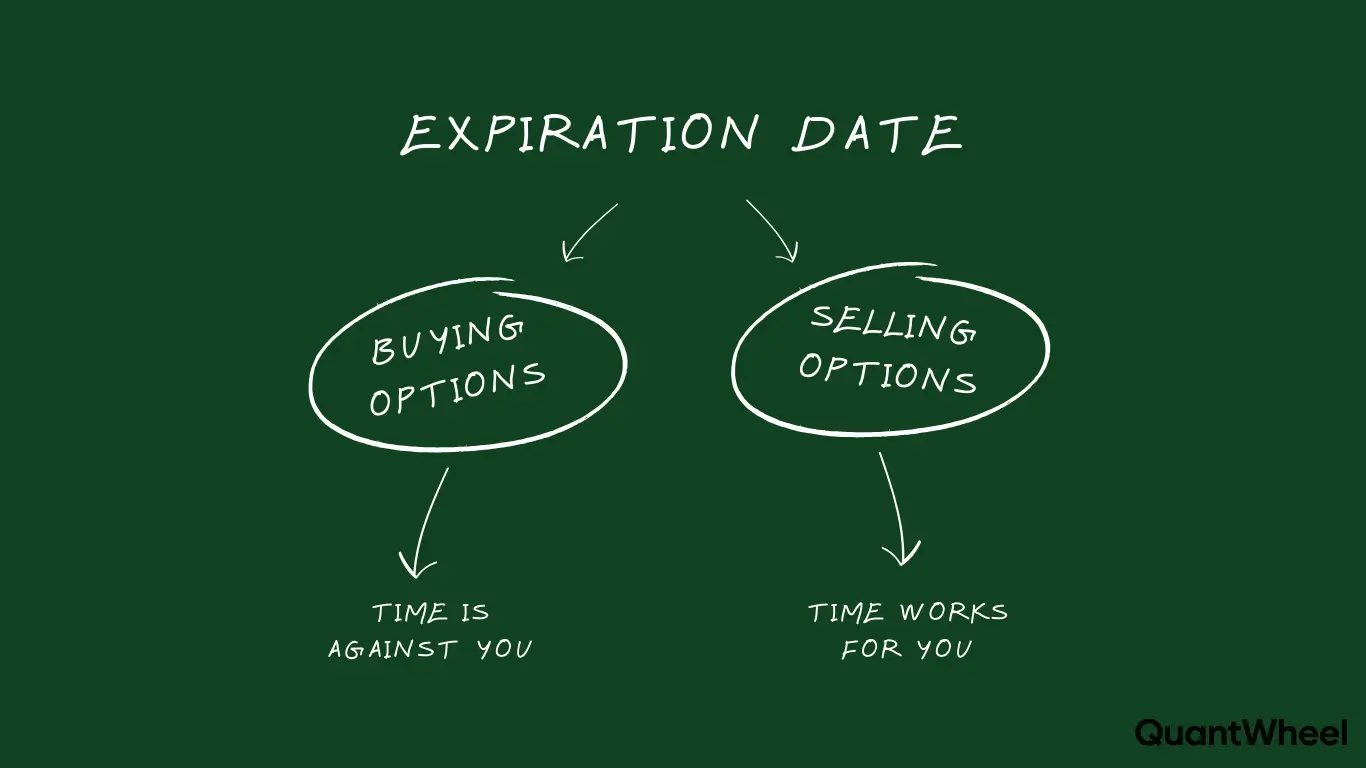
  7. Educational diagram illustrating expiration date considerations in options trading, showing how time decay affects investors differently when buying versus selling options contracts in the market. The flowchart presents two distinct paths: buying options where time works against the investor as contracts lose value approaching expiration, and selling options where time decay benefits the seller by reducing the contract premium over time. This visual guide helps traders understand the critical time element in options strategies, demonstrating how expiration dates impact risk management, profit potential, and overall strategy selection when executing options trading positions through a brokerage account. The infographic serves as an essential educational resource for understanding time-sensitive aspects of derivatives trading, showing investors how to leverage or manage volatility and time decay based on whether they're taking long or short positions in call or put options, ultimately affecting their portfolio performance and potential losses or gains in the stock market.Options Expiration: Complete Guide to Timing Your TradesLast updated: February 10, 2026
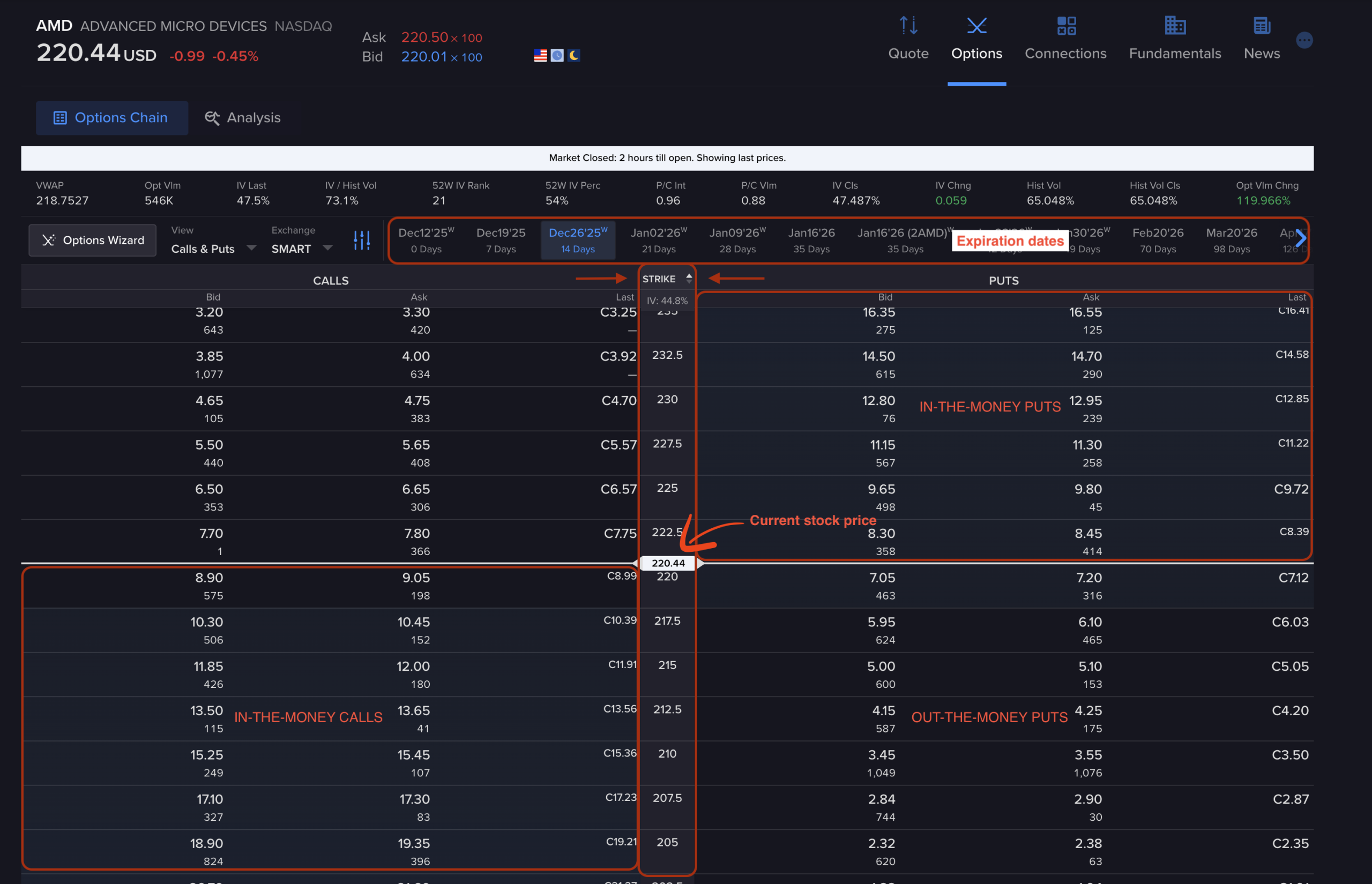
  8. How to read an options chainHow to Read an Options Chain: Step-by-Step Guide for BeginnersLast updated: February 13, 2026
  9. Comprehensive visual guide demonstrating how to select expiration date when trading options for optimal returns, featuring detailed chart analysis showing various options expiration cycles and their relationship to time decay. The educational diagram illustrates critical factors that investors must consider when determining how long to hold an option contract, including volatility patterns, premium erosion rates, and risk management principles. The infographic displays multiple expiration calendar scenarios with corresponding strike price levels, helping traders understand how different timeframes impact option values and profit potential. Visual elements showcase the relationship between the underlying asset price movements and various expiration dates, with arrows and annotations explaining strategy selection for both call and put options. The chart emphasizes how time decay accelerates as contracts approach their expiration date, affecting portfolio performance and hedge effectiveness. Clear visual indicators demonstrate market conditions that favor shorter versus longer expiration cycles, providing practical guidance for option traders evaluating liquidity, premium costs, and risk-reward ratios when selecting the optimal expiration date for their options trading strategy.Options Expiration Selection: How to Choose DTELast updated: February 17, 2026
Company
  • About
  • Pricing
  • Documentation
  • Webinars
  • Terms
  • Privacy
  • Refund Policy
Products
  • All Products
  • QW Intelligence (AI)
  • Options Journal
  • Copy Trading
  • Selling Screener
  • Buying Screener
  • Roll Assistant
GEX Analytics
  • GEX Dashboard
  • Gamma Flows
  • Gamma Exposure
  • Vanna & Charm
  • GEX Calculator
  • GEX Heatmap
  • Max Pain Calculator
Free Tools
  • GEX Calculator
  • GEX Heatmap
  • Max Pain Calculator
  • Earnings Expected Move Scanner
  • Optimal Roll
  • Options Calculator
  • Cash-Secured Put Calculator
  • Cost Basis After Assignment
  • Strategy Explorer
Coming Soon
  • AI Research Agents
  • Gamma Flows
Copyright QuantWheel, Inc © 2026. All rights reserved.