
What This Article Covers
This guide explains the real reasons why traders use options instead of just buying stocks. We'll cover the genuine advantages - income generation, capital efficiency, and risk management - along with the honest risks you need to understand before trading your first contract. Whether you're considering cash-secured puts, covered calls, or the wheel strategy, you'll learn what makes options attractive and when they make sense for your trading approach.
TLDR: Why Trade Options?
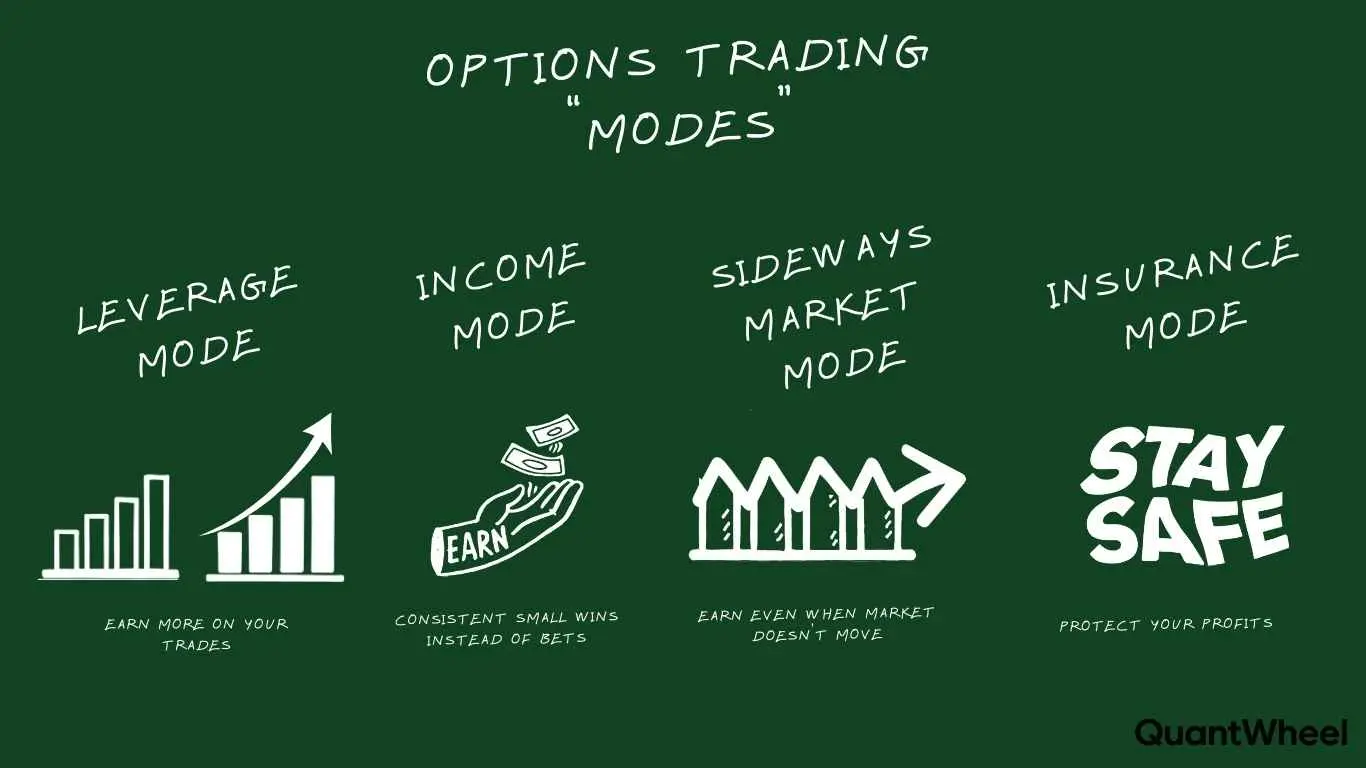
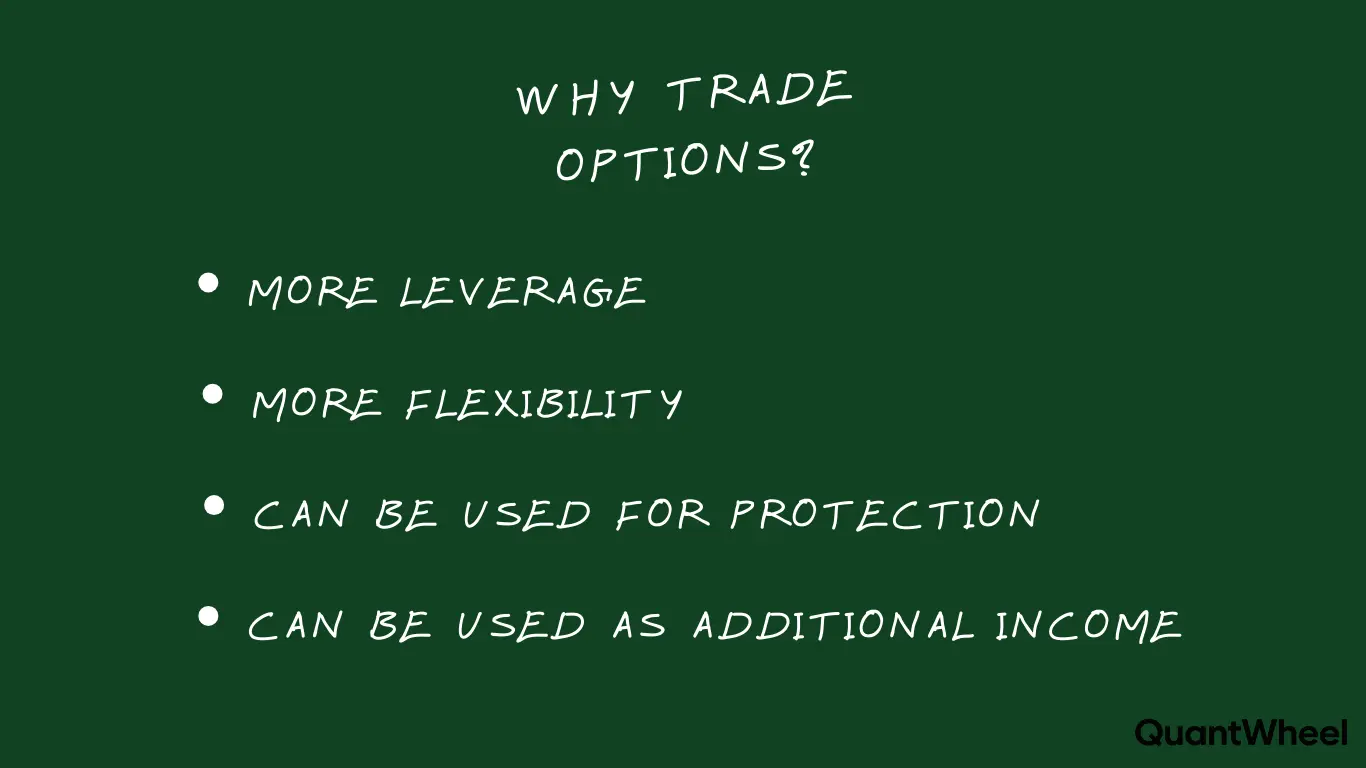
Options trading offers three strategic advantages over buying stocks alone: income generation through premium collection, capital efficiency by controlling shares with less money, and flexible risk management for portfolio protection.
Here's a simple example: Instead of buying 100 shares of a $50 stock ($5,000), you could sell a cash-secured put and collect $200 upfront premium. You're paid to wait, and if assigned, you buy the stock at $48 effective cost ($50 strike - $2 premium). If the option expires worthless, you keep the $200 and repeat the process. This is the foundation of income-focused strategies like the wheel.
The trade-off: Options require more active management than buy-and-hold investing, carry assignment obligations, and can result in total premium loss if markets move against you. They're tools - powerful when used correctly, risky when misunderstood.
Understanding Options: The Foundation
Before exploring why traders use options, you need to understand what options actually are.
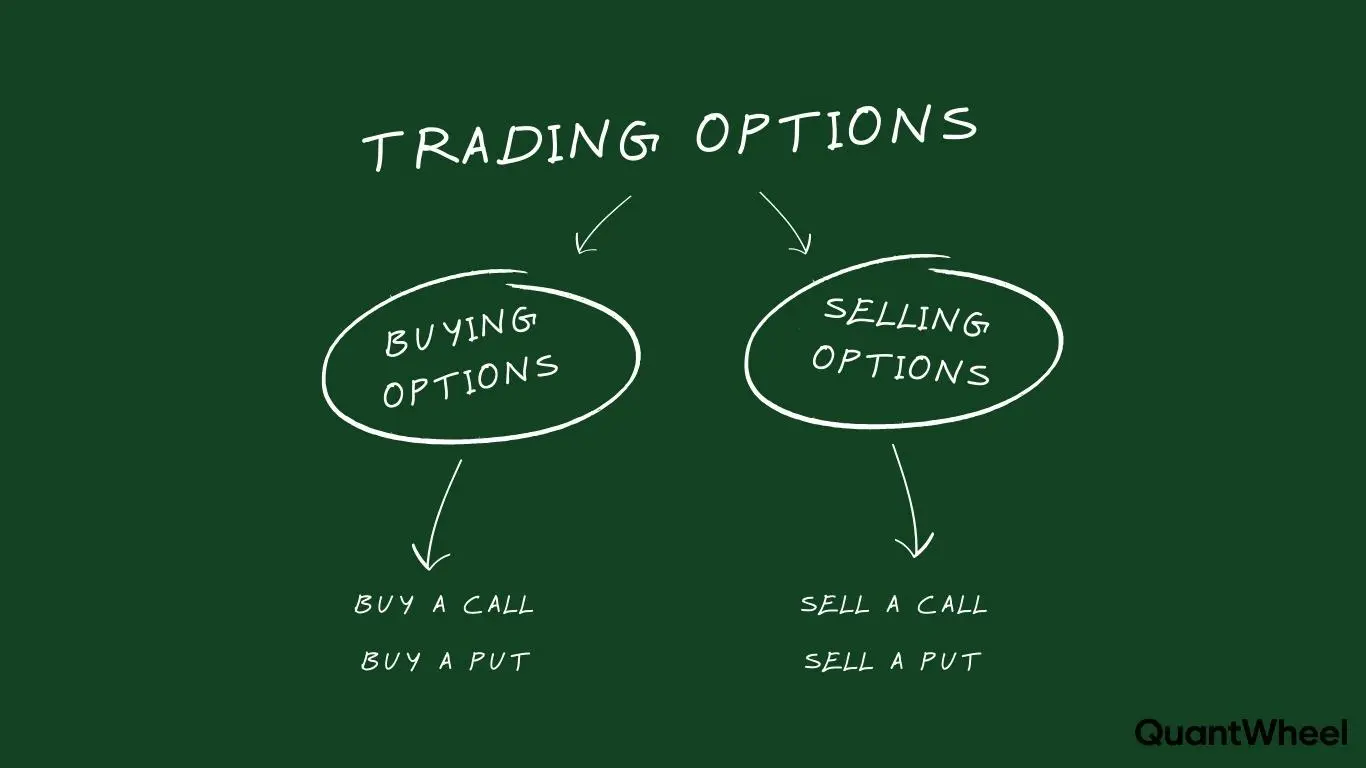
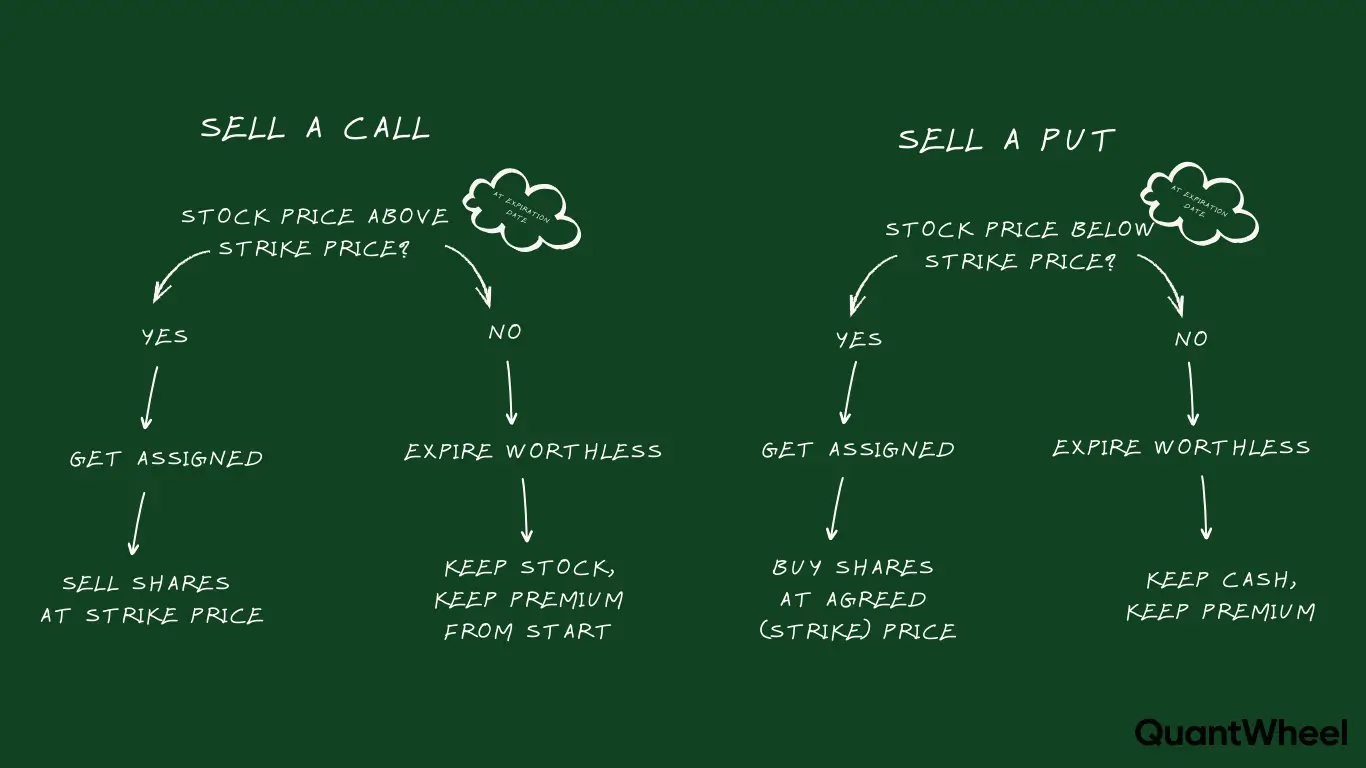
An option is a contract giving you the right (but not the obligation) to buy or sell 100 shares of stock at a predetermined price (the strike price) by a specific date (expiration). You can either buy options (paying premium for the right) or sell options (collecting premium in exchange for an obligation).
Cash-secured puts mean you sell someone the right to sell you stock at your chosen price, collecting premium upfront. You hold cash to cover the purchase if assigned.
Covered calls mean you sell someone the right to buy your stock at your chosen price, collecting premium upfront. You already own the underlying shares.
The wheel strategy combines both: sell cash-secured puts to collect premium and potentially acquire stock at a discount, then sell covered calls on assigned shares to collect more premium until the stock is called away. This cycle repeats, generating income regardless of market direction.
Understanding these mechanics is crucial because the reasons to trade options depend entirely on whether you're buying or selling, and which strategy you're implementing.
Reason 1: Generate Income Through Premium Collection
The most compelling reason traders use options is to create recurring income from their capital without predicting market direction.
How Premium Collection Works
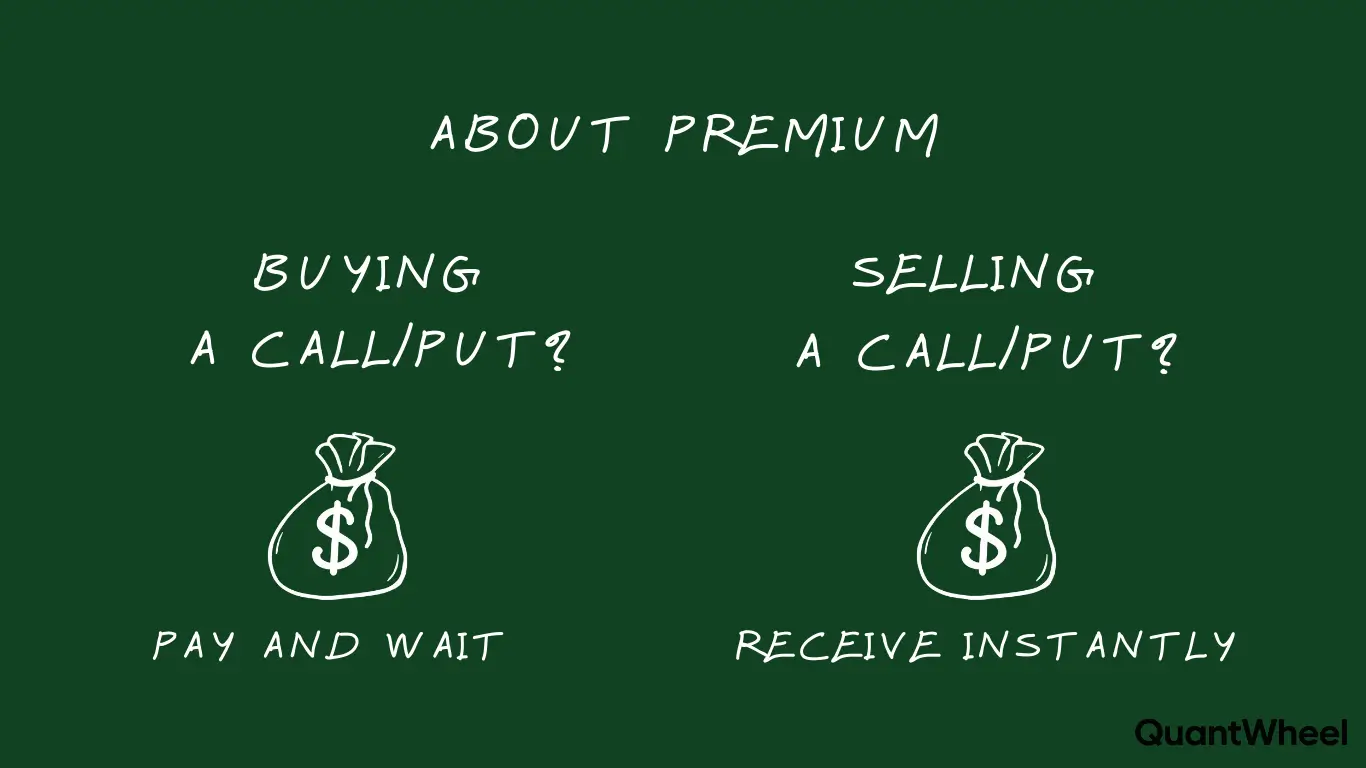
When you sell options, you collect payment upfront. This premium is yours to keep regardless of what happens next. If the option expires worthless (which happens about 70% of the time according to CBOE data), you keep the entire premium and can sell another option immediately.
For example: You sell a put on a $100 stock at the $95 strike (that means at a lower price than current stock price), collecting $300 premium per contract. If the stock stays above $95 at expiration (during the trade you picked), the option expires worthless. You then keep the $300, and you can repeat the process weekly or monthly.
Real Returns from Premium Strategies
Conservative wheel strategy traders targeting 0.5-1% premium per week can theoretically generate 12-24% annualized returns through consistent premium collection. These aren't guaranteed returns - some months you'll take losses, and assignments will tie up capital - but the strategy provides a systematic framework for income generation. What you do is basically exploit the market in a profitable way. "Most traders bet, you just collect their losses."
The key advantage: You don't need the stock to rally. You profit as long as it doesn't fall too much (for puts) or doesn't rise too much (for calls). This makes premium collection viable in the sideways markets where buy-and-hold investors struggle.
The Tracking Challenge
Here's where most traders struggle: calculating your actual cost basis after assignment. Your broker shows one cost, but your real basis includes the premium collected. This is exactly where software like QuantWheel provides value - automatically adjusting your cost basis through complete wheel cycles, so you know your true breakeven and profitability without manual spreadsheet tracking.
The finding trades challenge
If you're starting out, you probably find all this info complicated. You can learn with QuantWheel - it filters and places the best trades that make sense right in front of you. With it, you waste less time, learn faster and then just adjust to your style as you go. Learn faster with QuantWheel →
Reason 2: Capital Efficiency and Leverage
Pure leverage
Some options (buying calls or puts) allow you to control significant stock positions with substantially less capital than buying shares outright. Buying a call or put gets you the control of something expensive for much less. Here's a good example of how would buy call work in real life:
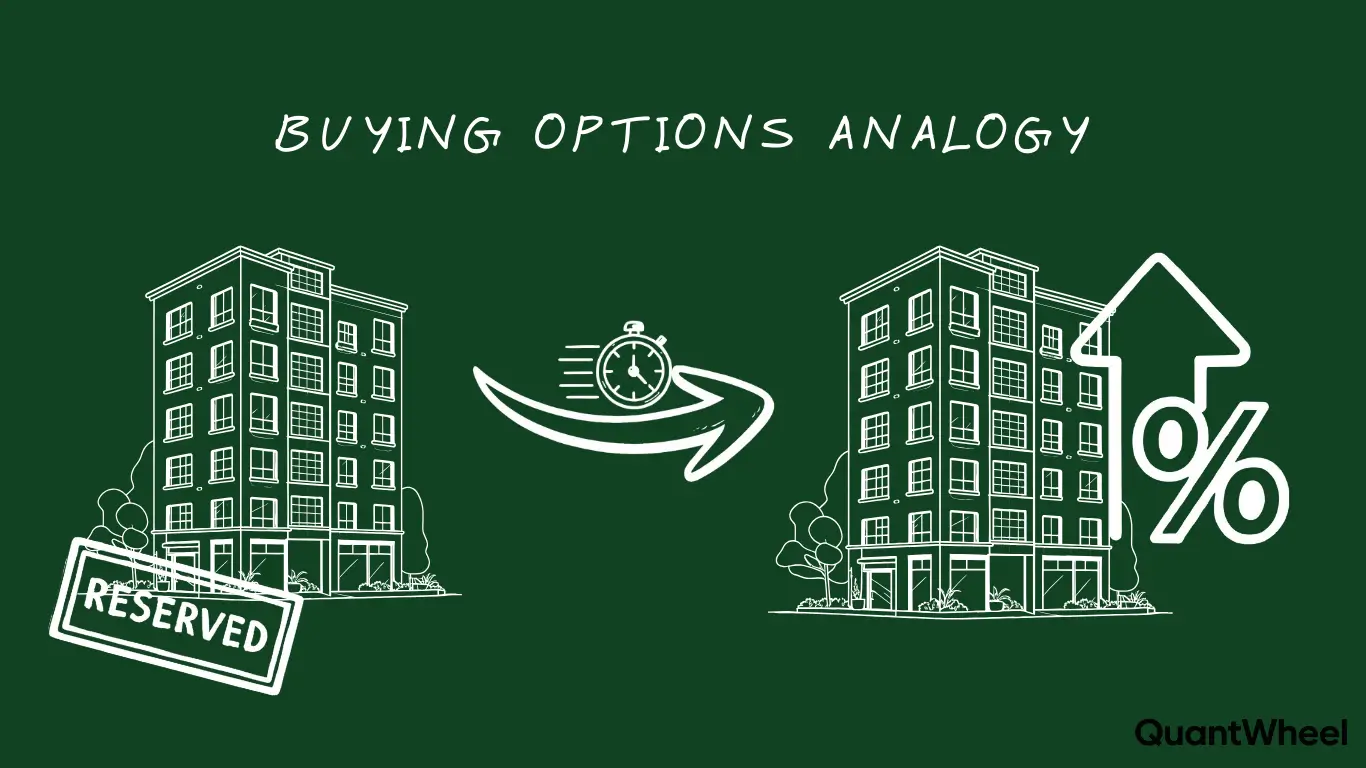
Controlling Shares Without Full Investment (buy for less)
Instead of investing $50,000 to buy 1,000 shares of a $50 stock, you could sell 10 cash-secured puts at the $45 strike for $2,000 total premium collected, setting aside $45,000 in cash to cover potential assignment.
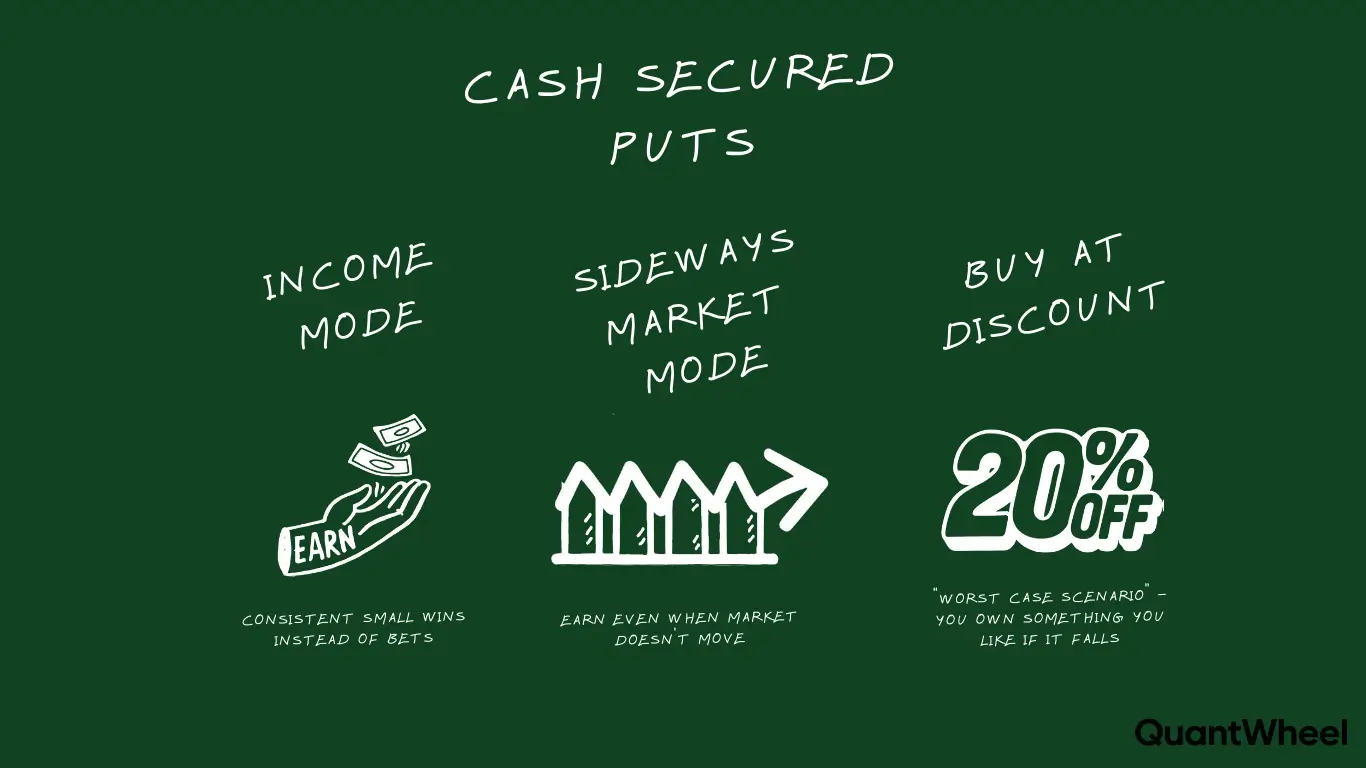
You've now:
- Collected $2,000 upfront (4.4% immediate return on reserved capital)
- Positioned to buy the stock at $43 effective cost if assigned ($45 strike - $2 premium)
- Freed up $5,000 in capital for other opportunities
This capital efficiency allows traders to diversify across more positions, manage portfolio-wide risk better, and generate returns on cash that would otherwise sit idle.
The Assignment Reality
When you sell puts and the stock falls below your strike price, you'll likely be assigned - meaning you must purchase 100 shares per contract at the strike price. This isn't a bug; it's a feature of the wheel strategy.
Assignment becomes problematic only if you're over-leveraged or don't actually want to own the stock. Conservative traders only sell puts on stocks they're happy to own at their chosen price, treating assignment as "getting paid to set a limit buy order."
Here's a good example of a Cash-Secured put trade that QuantWheel has found.
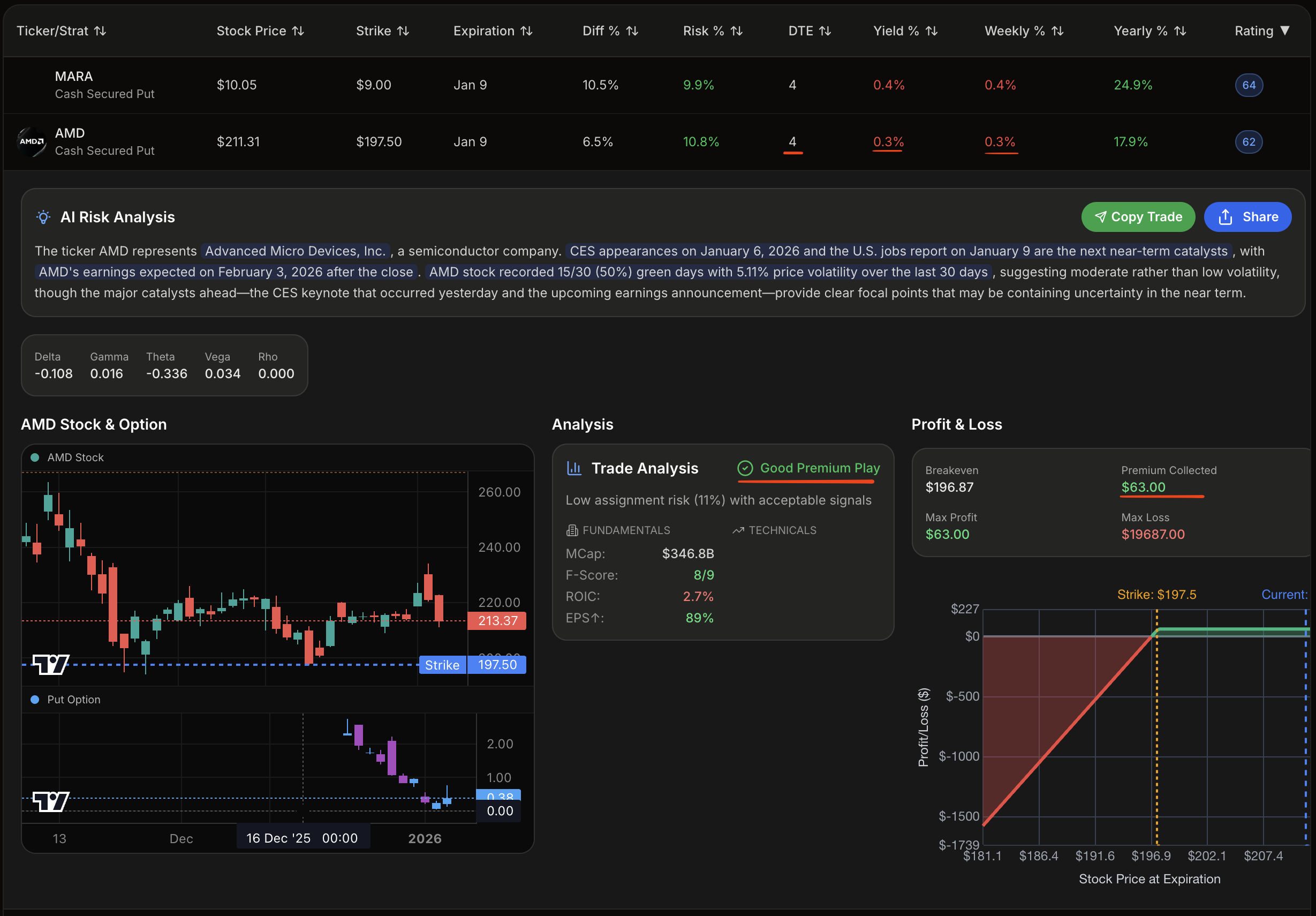
Reason 3: Defined Risk and Flexible Management
Options provide clearer risk parameters and more management flexibility than stock positions alone.
Maximum Loss Clarity
When you sell a cash-secured put, your maximum loss is clearly defined: (Strike Price × 100) - Premium Collected. For a $50 strike with $2 premium, your max loss is $4,800 if the stock goes to zero (extremely unlikely for quality stocks).
This defined maximum risk allows for better position sizing and portfolio construction compared to stock ownership, where losses are theoretically unlimited as stock prices can fall indefinitely.
Rolling and Adjustment Options
Unlike stock positions where your only choices are hold or sell, options positions can be rolled-closing your current contract and opening a new one at a different strike or expiration to collect additional premium and extend time.
For example: Your $50 put is now in-the-money with the stock at $48. Rather than accepting assignment, you could roll to the following month at the $48 strike, collecting additional premium and giving the stock more time to recover. This flexibility allows traders to adapt to changing conditions without closing positions at a loss.
Tools like QuantWheel analyze all possible roll scenarios, calculating the additional premium, time extension, and breakeven adjustment for each option - removing the manual math that causes decision paralysis when you have 10+ positions to manage.
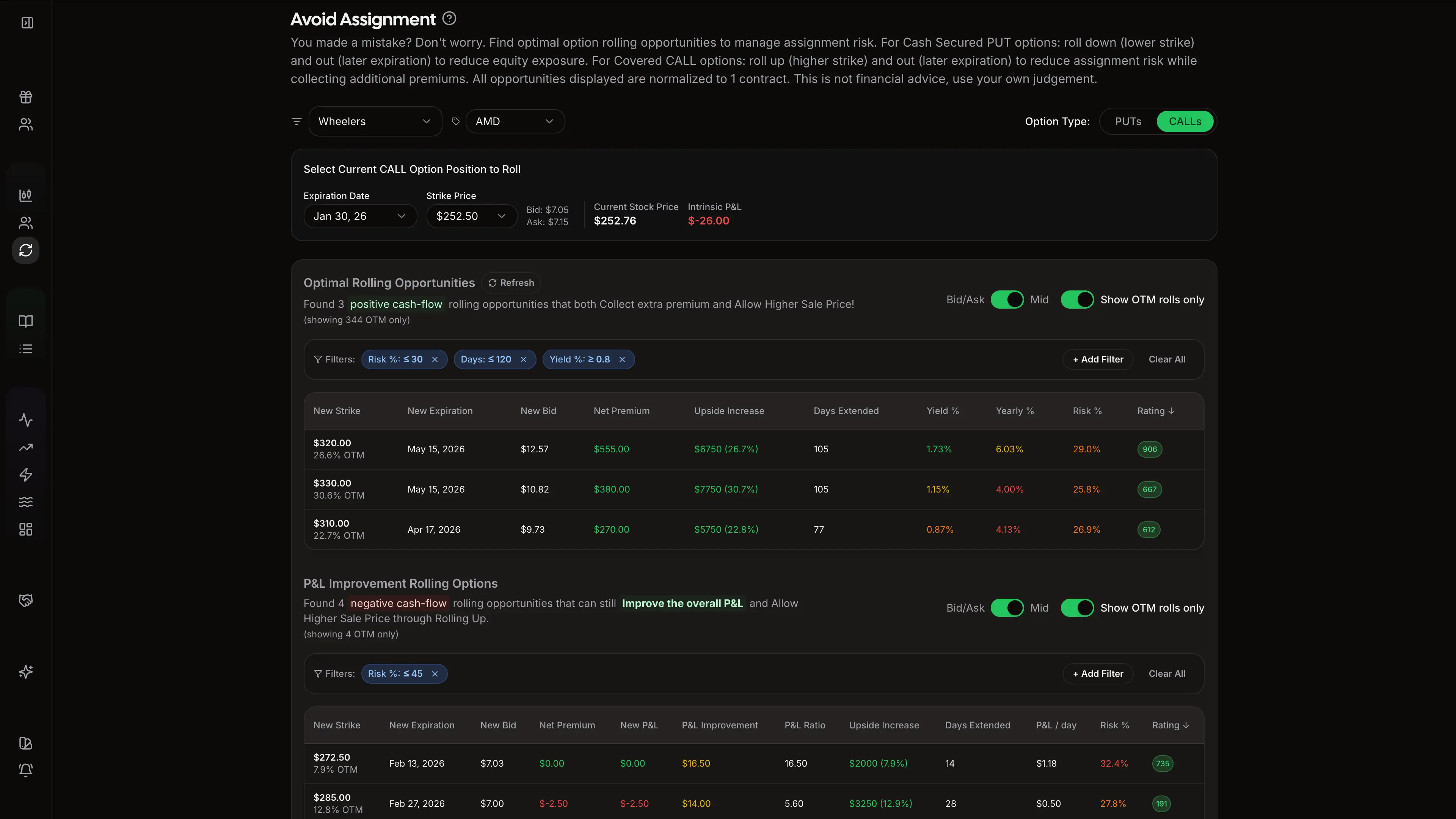
Make rolling easier with QuantWheel →
Reason 4: Profit in Sideways and Declining Markets
Options strategies can generate returns when stock prices stagnate or fall moderately - scenarios where buy-and-hold investors make nothing or lose money.
Sideways Market Advantage
In a trading range where a stock oscillates between $90 and $100 for months, a buy-and-hold investor makes zero return. A wheel strategy trader repeatedly collects premium by:
- Selling $95 puts when the stock is near $100
- Getting assigned around $92 effective cost
- Selling $98 calls on the shares
- Getting called away around $100 effective price
- Repeating the cycle
Each complete cycle generates premium on both the put and call side, creating returns from price movement that goes nowhere.
Downside Protection Through Premium
While premium collected doesn't fully protect against large drops, it does provide a cushion. If you buy stock at $50 and it drops to $45, you've lost $5 per share. If you sold a $50 put collecting $2 premium and were assigned, your effective cost is $48 - you're only down $3 per share, a 40% smaller loss.
This premium cushion is why conservative traders prefer selling options over buying stock directly, especially when entering new positions.
Reason 5: Strategic Portfolio Hedging
While this article focuses on income strategies, options also provide portfolio insurance and directional hedging capabilities.
Traders use long puts to protect stock portfolios against market crashes (like insurance), and use covered calls to reduce the cost basis on stock positions they're holding long-term. These hedging applications represent a different use case from the wheel strategy but demonstrate options' strategic flexibility.
For wheel strategy traders specifically, the focus remains on income generation rather than complex hedging, but understanding that options serve multiple purposes helps explain their popularity across different trader types.
The Honest Risks: Why Options Aren't for Everyone
Conservative positioning requires discussing what can go wrong. Options trading carries real risks that must be understood before committing capital.
Risk 1: Assignment Obligations and Capital Requirements
When you sell puts, you're obligated to buy stock if assigned. A single $50 put requires $5,000 in capital. Selling 10 puts means potentially deploying $50,000 if all are assigned simultaneously (most likely during market crashes when you least want to buy).
Under-capitalized traders who over-leverage their accounts face margin calls or forced closures at the worst possible times. Proper position sizing - typically not exceeding 5-10% of account value per position - is essential.
Risk 2: Opportunity Cost on Assigned Capital
Capital committed to cash-secured puts or assigned stock is capital not available for other opportunities. If you sell puts on a $50 stock and it rallies to $80, you've missed the gains above your strike price. Your maximum profit is the premium collected, even as stock owners enjoy unlimited upside.
This capped profit potential is the trade-off for collecting premium upfront and defining your risk. You're trading potential home runs for consistent base hits.
Risk 3: Losses During Market Crashes
Premium collection strategies struggle in sustained bear markets. If the market drops 20-30%, your puts will likely all be assigned simultaneously, deploying all your capital into declining stocks. While the wheel strategy eventually recovers by selling calls on assigned shares, you'll experience significant unrealized losses during the decline.
Historical data shows wheel strategy traders typically underperform during strong bull rallies and outperform during sideways or mildly declining markets. Understanding your strategy's performance profile helps set realistic expectations.
Risk 4: Time Commitment and Active Management
Unlike buy-and-hold investing that requires minimal monitoring, options strategies demand regular attention. You need to track expirations, monitor position P&L, decide when to roll or close positions, and manage the emotional stress of seeing red when markets decline.
Traders managing 10-20 simultaneous positions report spending 5-10 hours per week on options-related tasks. This time commitment is significant and often underestimated by beginners attracted to "passive income" promises.
After managing 15+ positions in spreadsheets, many traders discover that the manual tracking - calculating cost basis after assignment, monitoring upcoming expirations, determining optimal roll opportunities - becomes overwhelming. This is precisely why professional tracking tools exist, but it's an additional cost and learning curve to consider.
When Options Trading Makes Sense (And When It Doesn't)
Options Trading Is Suitable If You:
- Have adequate capital: At minimum $10,000-$25,000 to properly diversify across 5-10 positions
- Accept limited upside: Comfortable capping gains in exchange for premium income
- Can dedicate time: Willing to actively manage positions weekly
- Want income focus: Prefer consistent small gains over potential large wins
- Handle volatility well: Can watch unrealized losses without panic-selling
- Actually want to own stocks: Willing to be assigned on stocks you've researched
Skip Options Trading If You:
- Have limited capital: Under $10,000 makes proper diversification impossible
- Want passive investing: Prefer set-and-forget approaches
- Chase explosive gains: Options income is steady and boring, not exciting
- Lack time commitment: Can't monitor positions at least weekly
- Trade on emotion: Panic during volatility or chase losses
- Don't understand mechanics: Haven't learned how options actually work
The wheel strategy specifically appeals to conservative traders who want stock-like returns with premium income enhancement, not gamblers seeking lottery tickets. Understanding this temperament fit matters more than understanding the mechanics.
Getting Started: Conservative First Steps
If options trading aligns with your goals and risk tolerance, start conservatively:
Step 1: Education First
Before trading real money, understand:
- How cash-secured puts and covered calls work mechanically
- What happens during assignment (including cost basis implications)
- How to calculate breakeven prices and maximum loss scenarios
- Basic options Greeks (delta, theta) and their impact on pricing
- Your broker's interface and how to enter options orders correctly
Many new traders skip education and learn expensive lessons through losses. Invest 20-40 hours in learning before risking capital.
Step 2: Paper Trading or Small Positions
Start with paper trading (simulated trades) or tiny real positions - one contract per trade at most. Focus on learning the process: entering orders, monitoring P&L, managing positions through expiration, and handling assignment.
After 10-20 successful small trades, gradually increase position sizes to your target allocation, typically 5-10% of account value per position.
Step 3: Pick Your Strategy and Stick to It
The wheel strategy provides a simple framework: sell puts, accept assignment, sell calls, repeat. This single-strategy focus allows you to develop expertise rather than jumping between complex approaches.
Set rules for strike selection (like "30-delta options only"), profit targets (like "close at 50% gain with 21+ DTE"), and maximum loss thresholds (like "roll if down 20%"). Following rules systematically removes emotional decision-making.
Step 4: Track Everything Religiously
From your first trade, track every position, every premium collected, every assignment, and your cost basis adjustments. Most traders use spreadsheets initially, but after 10+ positions, manual tracking breaks down.
This is where dedicated software proves its value. QuantWheel was built specifically to solve this tracking problem - automatically calculating cost basis through assignments, monitoring upcoming expirations, and providing roll suggestions when positions move against you. The free trial lets you test whether automated tracking justifies the cost versus manual spreadsheet management.
Why Traders Choose Options: Real-World Motivations
Beyond the strategic advantages, here's why actual traders report choosing options over pure stock investing:
"I can't time the market, but I can collect premium consistently" - Traders who accept they can't predict direction focus on probabilities, selling options with 70%+ probability of expiring worthless.
"I want my cash working harder" - Rather than cash earning 1-2% in savings, selling puts allows that cash to generate 12-20% annualized returns while waiting to deploy into stocks.
"Assignment is my buy strategy" - Instead of guessing when to buy, these traders sell puts at prices they're happy to pay, getting paid to wait for their buy orders to fill.
"I like defined outcomes" - Knowing maximum profit and maximum loss in advance appeals to analytical traders who prefer clear risk/reward scenarios over open-ended stock positions.
"It matches my analytical mindset" - Options trading rewards systematic approaches, data analysis, and probability-based thinking - appealing to engineers, scientists, and finance professionals.
These motivations reveal that successful options traders aren't gamblers - they're often conservative investors seeking more control and predictability than buy-and-hold provides.
Options vs Stock Investing: Direct Comparison
| Factor | Stock Investing | Options Trading (Wheel Strategy) |
|---|---|---|
| Capital Requirement | Full stock price × shares | Strike price × 100 per contract |
| Income Generation | Dividends only (1-3% typical) | Premium collection (12-24% potential) |
| Upside Potential | Unlimited | Capped at premium collected |
| Downside Risk | Stock can fall to zero | Strike price - premium (still significant) |
| Time Commitment | Minimal (set and forget) | Active weekly management |
| Complexity | Simple buy/sell | Requires understanding mechanics |
| Tax Treatment | Long-term capital gains possible | Often short-term gains |
| Best Market Condition | Strong bull markets | Sideways to mildly bullish markets |
Neither approach is objectively "better"-they serve different goals. Stock investing suits long-term wealth building with minimal effort. Options suit income-focused traders willing to trade unlimited upside for consistent premium collection.
Many sophisticated investors use both: holding core stock positions long-term while running wheel strategies on separate capital allocated for income generation.
Common Misconceptions About Options Trading
Misconception 1: "Options are just gambling"
Reality: Properly implemented options strategies are probability-based approaches with defined risk parameters. Selling 30-delta puts with 70% probability of profit is mathematically similar to insurance companies collecting premiums - systematic risk management, not gambling.
The confusion comes from speculators buying cheap out-of-the-money calls hoping for home runs, which is indeed gambling. The wheel strategy and premium collection approaches represent the opposite philosophy.
Misconception 2: "You can make 10% monthly income with options"
Reality: While possible during high-volatility periods, 10% monthly (120%+ annualized) is not sustainable long-term. Realistic expectations for conservative wheel strategies are 1-2% monthly (12-24% annualized), with significant variance month-to-month.
Anyone promising consistent double-digit monthly returns is either lying, taking excessive risk, or heading for eventual blowup. Conservative positioning means conservative return expectations.
Misconception 3: "Assignment is bad and should be avoided"
Reality: In the wheel strategy, assignment is part of the plan, not a failure. You're systematically buying stocks you want to own at prices you're happy to pay, while getting paid to wait. The key is only selling puts on stocks you've researched and actually want in your portfolio.
Tracking cost basis after assignment is the real challenge, not the assignment itself.
Misconception 4: "Options are only for day traders and professionals"
Reality: While complex multi-leg options strategies require expertise, simple approaches like cash-secured puts and covered calls are accessible to retail investors with moderate account sizes ($10K+) and willingness to learn the mechanics.
The wheel strategy specifically was designed by retail traders for retail traders - it's one of the most straightforward options approaches available.
Tools and Resources for Options Traders
Successfully trading options requires understanding the mechanics, selecting appropriate stocks, and tracking positions systematically.
Essential Knowledge Resources
- CBOE Options Institute: Free educational resources on options mechanics, Greeks, and strategies
- Options Playbook: Visual guides to common options strategies and outcomes
- r/thetagang: Community of premium-collection focused traders sharing experiences
Software and Tracking Tools
Your broker provides order entry, but tracking complete wheel cycles - especially cost basis through assignments - requires additional tools. Most traders start with spreadsheets, but after 10+ positions, manual tracking becomes unsustainable.
QuantWheel specifically addresses the wheel strategy tracking problem: automated cost basis calculation on assignment, upcoming expiration alerts, roll opportunity analysis, and performance tracking across complete cycles (CSP → assignment → CC → exit).
The free trial allows you to evaluate whether professional tracking justifies the cost versus manual spreadsheet management. For traders running 10+ simultaneous positions, automated tracking often pays for itself in time saved and errors prevented.
Final Thoughts: Is Options Trading Right for You?
Options trading - specifically income-focused strategies like the wheel - offers genuine advantages for traders seeking recurring premium income, capital efficiency, and defined risk parameters. These aren't marketing claims; they're the mathematical properties of how options work.
However, options also demand more capital than beginners realize, require active weekly management, cap your upside potential, and need systematic tracking to calculate true performance (especially through assignments).
The traders who succeed with options:
- Start small and gradually scale
- Focus on one simple strategy initially
- Accept limited upside in exchange for premium income
- Maintain discipline during losses and volatility
- Track everything meticulously from day one
- Continuously learn and refine their approach
If this profile matches your temperament, capital situation, and time availability, options trading can enhance your investing returns. If you're seeking passive income with minimal effort, stick to stock investing and dividend portfolios.
The most important step: Understand the mechanics completely before risking real capital. Options are powerful tools - like any tool, they're beneficial when used correctly and dangerous when misunderstood.
Start your free trial of QuantWheel to track your options positions with professional-grade tools built specifically for wheel strategy traders.
$1 for 7 days • Cancel anytime • 14-day money-back guarantee
Risk Disclosure
Options trading involves substantial risk and is not suitable for all investors. Past performance does not guarantee future results. This content is for educational purposes only and should not be considered investment advice. Always do your own research and consider consulting with a financial advisor before making investment decisions.
The examples used in this article are for educational purposes only and are not recommendations to buy or sell any security. All investment decisions should be based on your own analysis and risk tolerance.